
With reactive maintenance you only intervene when something is broken. With preventive maintenance you schedule regular services to stay ahead of wear and breakdowns. On paper, reactive looks cheaper: you only pay when something goes wrong. In practice, downtime is almost always the biggest cost, and you don't see it on the technician's invoice.
What downtime really costs
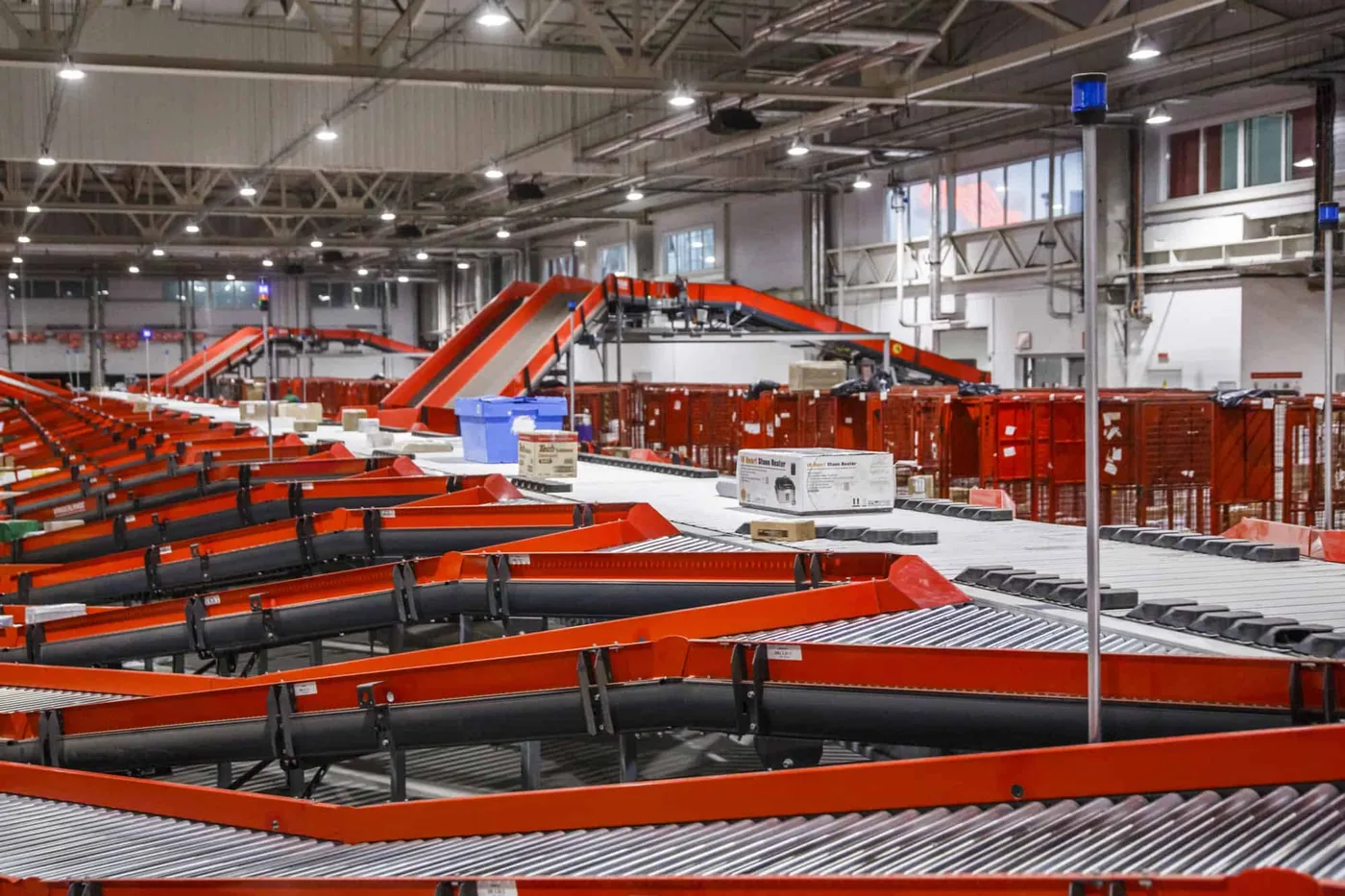
Add up these items: staff who are paid but cannot work; missed output, such as parcels, orders or products that don't ship; overtime and extra shifts to catch up; rush costs for parts and a technician outside working hours; and consequential damage, such as penalties under SLAs with your own customers or unhappy customers.
An example calculation
Suppose a sorting line with 12 staff stops for 4 hours. At a labour cost of €40 per hour, that is already €1,920 in paid staff. Add catch-up hours, express delivery of a part and possibly penalties. You are quickly talking about thousands of euros for a single breakdown. This example uses assumed figures; recalculate it with your own numbers.
Why preventive is often cheaper
Planned maintenance happens at a moment you choose, with parts ready and without rush rates. Wear is found before it becomes a breakdown. And because the costs are fixed, they become predictable and plannable in your budget.
The middle way: condition-based maintenance
Not everything needs replacing at fixed moments. By analysing measurements, inspections and fault logs, you only replace parts when their condition requires it. That combines the certainty of preventive maintenance with the efficiency of not replacing too early.
When reactive maintenance does make sense
- For cheap, non-critical parts whose failure doesn't cause downtime.
- For installations with sufficient redundancy, where a second line takes over.
- For equipment that will be replaced soon anyway.
Locking in certainty
With a maintenance contract you lay down what happens when, how quickly someone is there for a breakdown and what reporting you receive. That way you know in advance where you stand, instead of being shocked afterwards by the bill for downtime.